At Versa Biomedical we use preclinical models that deliver reliable, reproducible results directly applicable to clinical practice. Among them, the porcine model plays a central role due to its remarkable anatomical, physiological, and cardiovascular similarity to humans, which makes it a widely accepted standard in biomedical research.
The use of pigs in preclinical studies has grown strongly over the past decades. Scientific publications employing porcine models in biomedical research have increased eightfold in the last thirty years, reflecting their rising relevance in fields such as cardiovascular surgery, oncology, and gene therapies. Today, pigs account for approximately 20–25% of the large animals used in preclinical testing, underlining their importance when validating efficacy and safety before advancing to clinical trials.
Alongside the porcine model, Versa also works with human cadavers, providing a complementary framework that ensures scientific rigor and the closest possible approximation to real clinical practice.

 SCROLL
Tailored preclinical development solutions
We provide ad hoc solutions for our sponsors/clients through in vivo studies using the swine model.

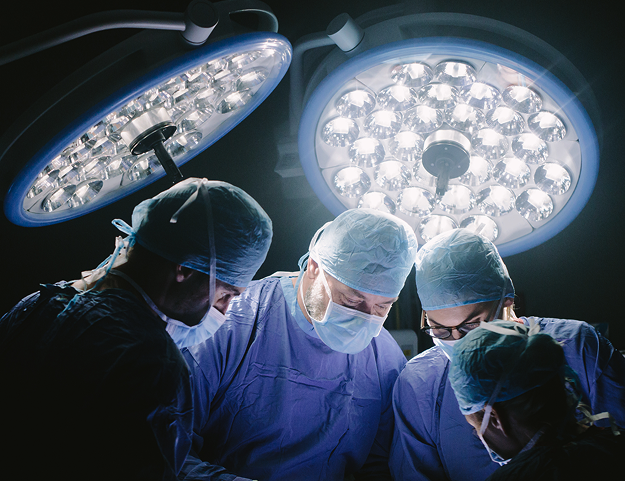
Preclinical models
At Versa Biomedical, we work with two types of preclinical models:
Preclinical animal models
Domestic pig
Miniature pigs: Specipig, Göttingen minipig.
Miniature pigs: Specipig, Göttingen minipig.
Other preclinical models
Human cadavers

Versa News
Stay up to date with all Versa Biomedical news, events and achievements.

01 / Jul / 2025
Versa Biomedical

02 / Jun / 2025
Versa Biomedical

10 / Jun / 2025
Versa Biomedical

24 / Apr / 2025
Versa Biomedical

08 / Nov / 2023
Versa Biomedical

08 / May / 2023
Versa Biomedical

13 / Apr / 2023
Versa Biomedical
08 / Nov / 2022
Versa Biomedical

25 / Oct / 2022
Versa Biomedical

21 / Apr / 2022